
10 Ways To Teach Your Kids To Be Fearless
*Please note that I received compensation for this post. All thoughts and opinions remain my own*

I don’t think I quite knew what 2020 was going to through at us as parents. Until it happened in March. We were destined to spend (at least) the next 5 months occupying a small, rambunctious boy. It is one thing trying to teach your kids to be fearless – it is another trying to stop them from injuring themselves!
When Grace was 3 years old and needed a bit more attention, she was going to nursery 3 days a week as well as spending some of the time with her father. I was able to have a break. Now, there are 2 parents and an older sister and we are exhausted from running around after Rex, and inevitably, with all this running around, there will are injuries!

We have learned our lesson. Whenever we go anywhere now, we make sure that we have an emergency repair kit. This has come about thanks to Safe and Sound.
This kit includes; hand sanitiser, antiseptic spray, plasters (featuring dragons, monsters, robots, rocket ships, princesses and more!)
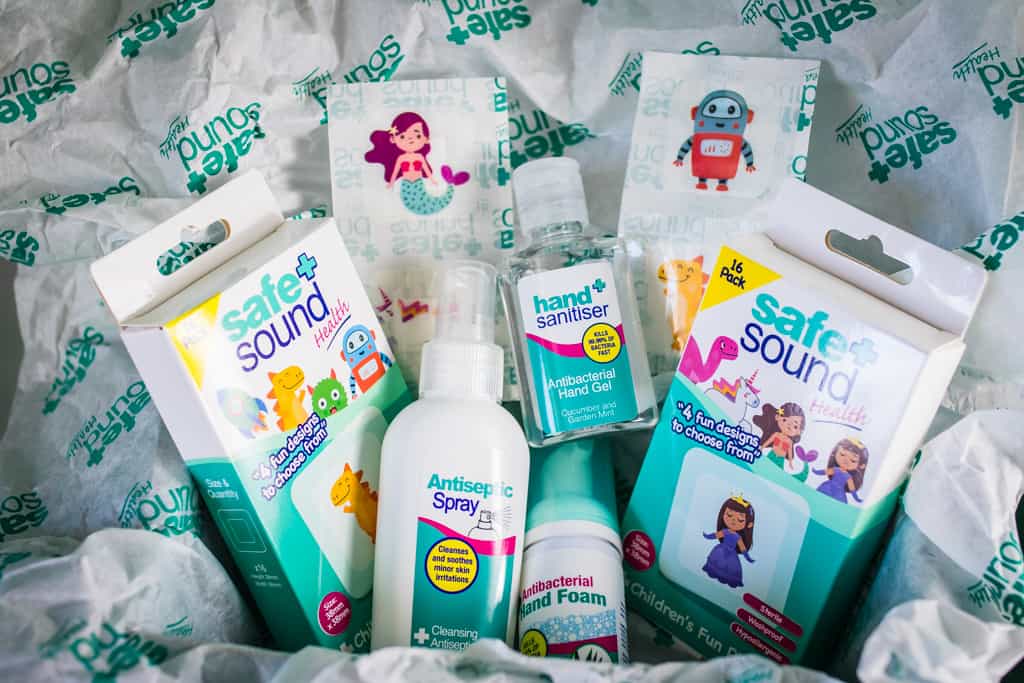
Rex has had some bumps, bruises and cuts along the way but it is so important not to turn it into a big deal. The bigger drama I have turned it into, the bigger deal Rex makes it and then it escalates. The calmer the approach, the easier it is to calm Rex down.
Grace is now 13 and thankfully isn’t too much of a drama queen! She benefits from the family emergency repair kit – especially since taking up roller-skating.
I thought I would share my ten tips on how to raise fearless kids.
Table of Contents
Don’t Pass on Your Own Fears
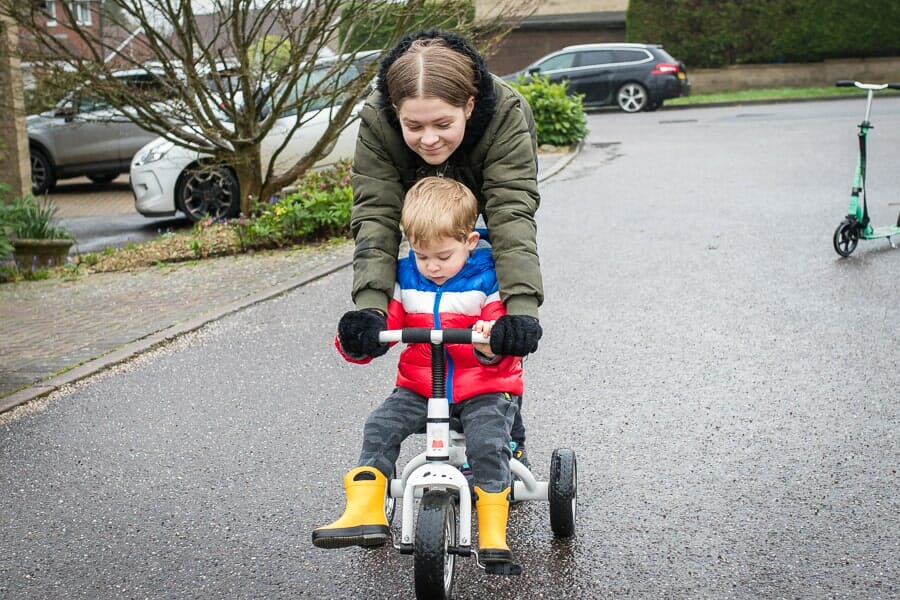
This is something that I am certainly guilty of. As parents, we all know we shouldn’t do it but I am sure that I am not the only one who does it! Let’s be realistic here, we cannot completely disguise our fears and it is good to show our children we are human. What we can do though, is talk it through with them and set an example on how to work to overcome your fears.
Failure IS an Option

There is so much pressure on not failing that many of us forget that failure is a key part of growing up and the learning process. Many great inventors failed before they reached their successful end result. Don’t let fear of failure hold back your kids. Show them that if you get knocked down, just learn from it and look at ways to do it better next time around and turn it into a positive process.
Teach them how to be safe
Of course, this is now more important than ever. Washing our hands has become an intrinsic part of our routine whenever we have been out. It hasn’t been easy, but we have helped Rex to understand that we need to consider our actions before we take them and we are helping to give him the skills he needs to help with his decision making process.
Help them to identify their fear
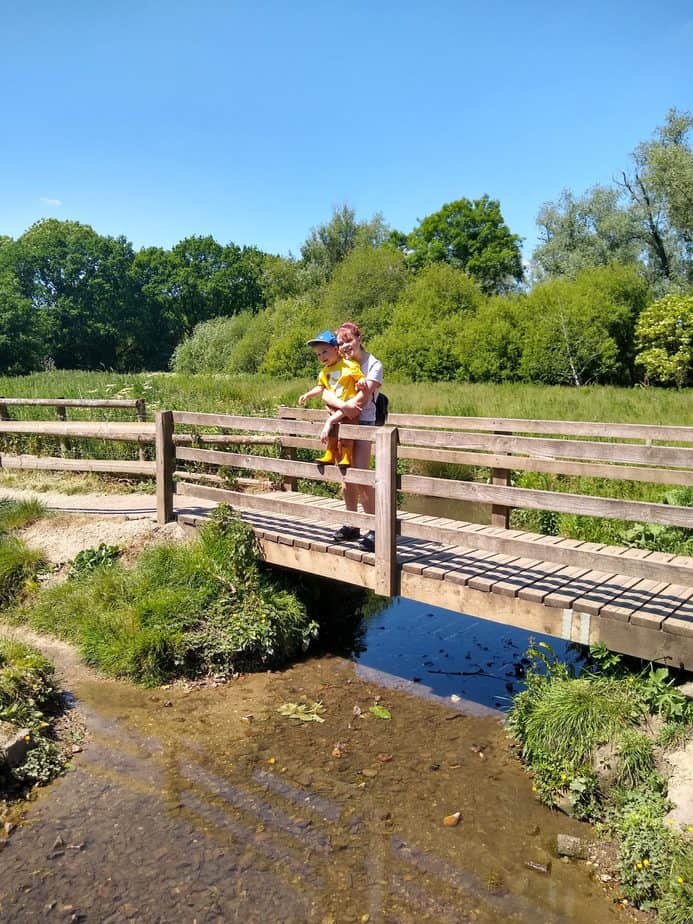
Some fears are, of course, valid and healthy. Coming face to face with a pit full of lions is an understandable fear and is certainly something you would not want your child to overcome! It is a great way to teach them the difference between life-saving fears and irrational ones by speaking about the risks and the consequences.
Remind them of times they have overcome fears
Sometimes, reminding a child of a previous occasion where they were afraid to try something but then ended up enjoying it is a great way to help boost their confidence.
Don’t Compare them to others
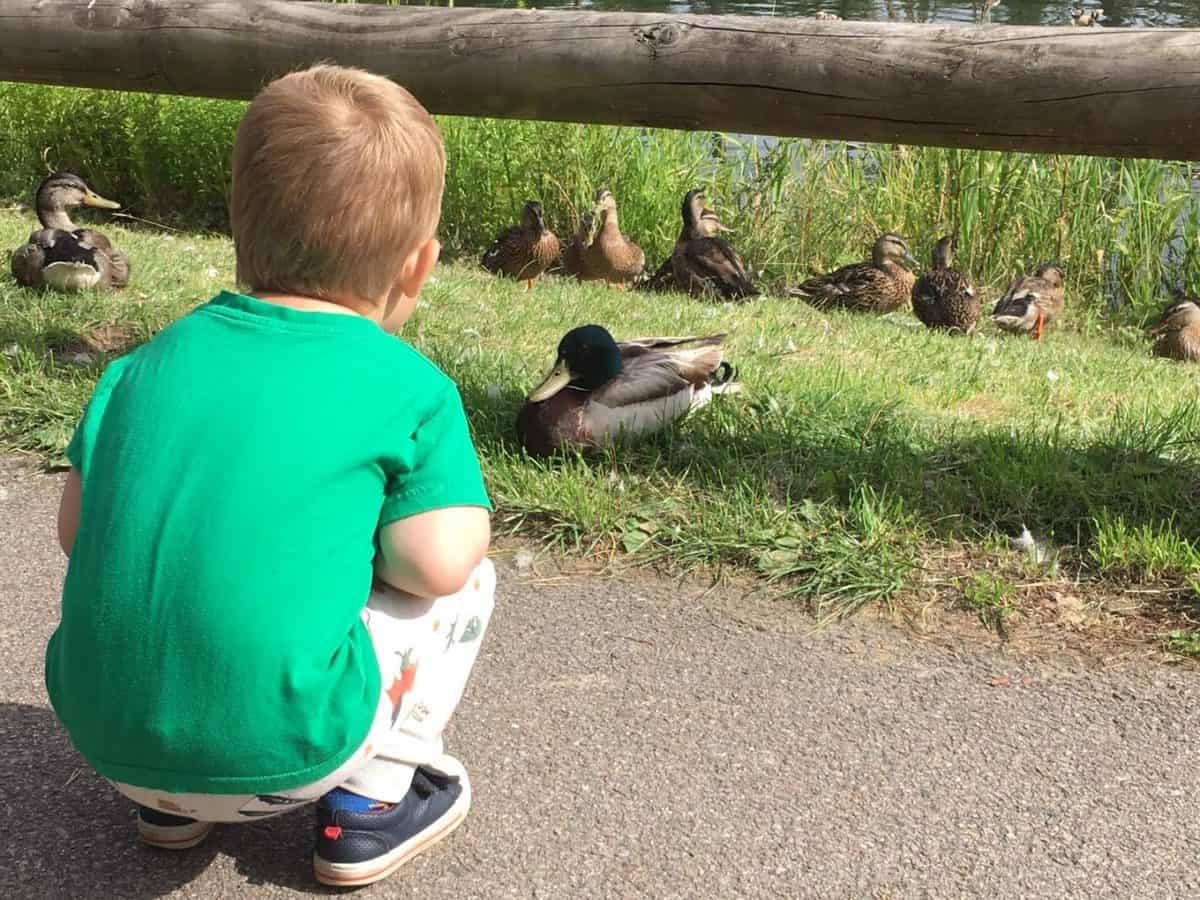
Comparing your child to their peers can be unhelpful as well as demoralising for them. Focus on them and their needs.
Show them how to face fears in small steps
Each fear needs to be treated on it’s own merit. Sometimes the best way to overcome something is to go for it. At other times, it is better to take it slowly and gently. Be guided by your child on this. If the fear is overwhelming then take it slowly, only moving on to the next stage when a certain comfort level is reached. Plan ahead to help expectations, and don’t spring surprises on them or they won’t trust you next time.
Turn a negative into a positive

There have been so many times when Rex has complained or been upset about something. I try to look at the positives for him and try and turn it around. Either that, or use reverse psychology – for example, tell him that I am going to beat him in putting my shoes on. What child doesn’t want to win a race?!
Accidents will happen
It is a fact of life that accidents are going to happen. Bumps on heads and scrapes on knees are par for the course when bringing up children. It may start to put them off the more rambunctious style of playing so the best thing is to encourage them to get back on that metaphorical horse before the fear sets in. Feel the fear and do it anyway!
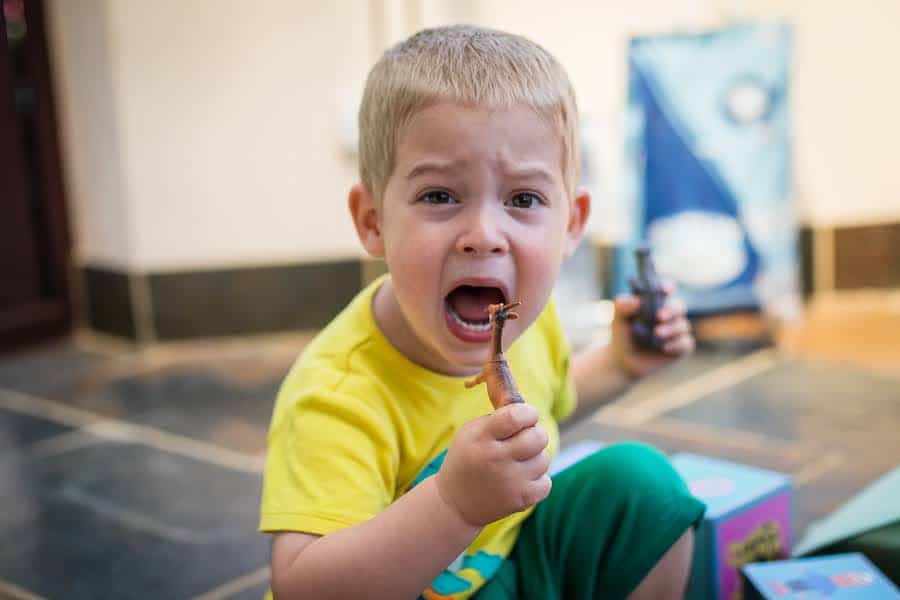
Remind them they are not alone
I believe that this is probably the most important point of all. They do not have to face their fears alone. Help them to feel secure in the knowledge that you – and others – will be there for them, no matter what the outcome is. This will help to grow their fearless mindset and give them the confidence to go forward.