How to make a difference in your garden
Summer is finally upon us, and the time is here to get outside. For many of us, the thought of mowing the lawn or weeding the flowerbeds sends shudders of dread down our spines.
There are always two types of people when it comes to tending to the garden: you either love it or you hate it. However, barely anyone likes to look out their back window and see an expanse of wilderness, no matter their interest or disinterest in the hobby. Fortunately, if you aren’t a fan of spending hours outside or by the lawnmower, there are several options available to you which can make a real difference in your garden.
Table of Contents
Go for alternative ground types
If you can’t grow a real lawn for whatever reason (be it maintenance, cost, or the unreliable weather around your area), there are a number of alternatives. One is artificial grass, which in Surrey is quite a common option, and certainly will not be out of place. One benefit is that it doesn’t require maintenance, remaining green and even all year round (we all know how patchy a lawn can get!) Also, because of so many health, safety and maintenance benefits, a synthetic lawn can be a smart and sensible option for homeowners who also happen to be pet owners, and there’re usually plenty of turf stores near you that let you upgrade your space to a pet-friendly yard in a fast and easy way.
If you don’t consider fake grass a suitable alternative for the real thing, you might be interested in exploring other non-natural options, such as a gravel or stone garden. These are becoming more popular across the UK and are excellent for areas with low soil quality, where flowerbeds might not flourish. Decking and paving is also an excellent way to cover a large expanse of ground with minimal maintenance, although the latter may still involve a certain amount of weeding!
Go a bit wild
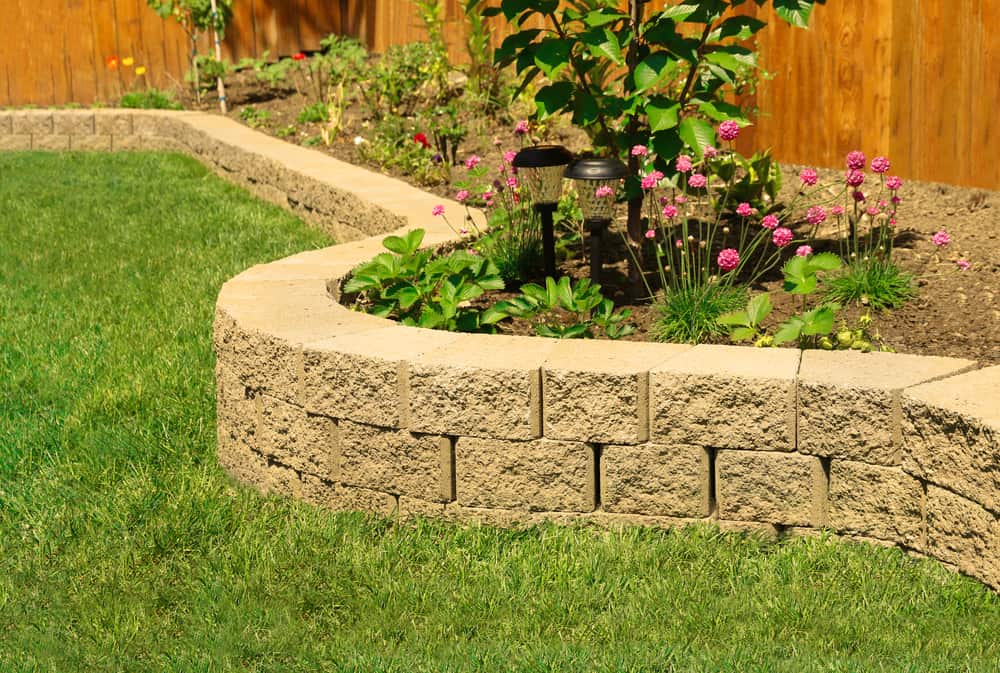
Alternatively, if you don’t mind something looking a bit more natural, wild flowerbeds could be the way to go. These are extremely low maintenance, and extremely good for the environment – there are plants which are particularly good for bees and other pollinating insects, which will grow well without much interference and work well into the local ecosystem.
Go green for herbs
If you want something functional, a herb garden could be great. These provide a variety of different plants while being relatively low maintenance, and of course can be used to make dishes tastier.
The type of herb you choose will depend upon your own personal preferences and the amount of space you have in your garden. A rosemary bush is excellent if you have some space and makes an excellent component of a roast dinner, while basil is smaller and will go well in pasta sauces.
You will want to plan your herb garden accordingly depending on how often you want to re-plant your herbs. Perennial plants, such as rosemary, thyme, and sage, will last all year round; seasonal plants, such as basil and coriander, will die of frost in the winter and will need to be re-planted. Most herbs will also do well in pots, which can be transferred from indoors to outdoors and vice versa seasonally. Some plants, like mint, are invasive and should always be kept securely in a pot.
If you don’t have green fingers, it’s not the end of the world. You can make a huge difference to your garden just by restructuring it, which will largely depend on how big your budget is. The most important thing is to create a space you would like to spend time in. If you don’t have some already, it might be worth investing in some outdoor furniture – and, if possible, an outdoor stove or fire pit is perfect for long summer nights.
This is a collaborative post