How to Explain the Coronavirus to Your Children
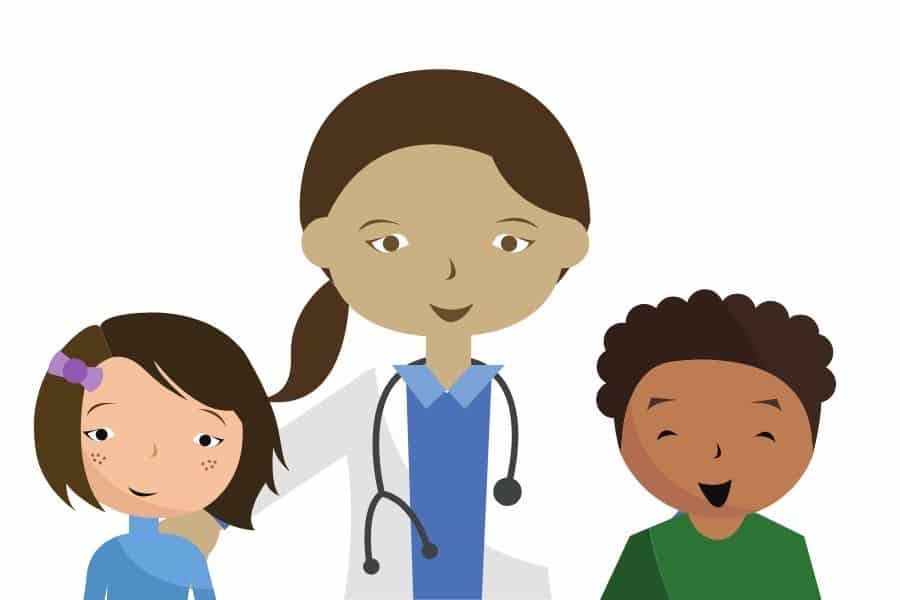
With more and more talk of the Coronavirus entering our everyday lives, it may seem confusing for our children. Their usual idea of reality seems to be on pause and our newspapers, television and radio are rife with information and advice. I know Ross and I are having nightly chats about contingency plans we may have to put in place as things unfold.
There are so many opinions, images and reports floating around that for kids it can be tough to separate fact from fiction. Feelings such as stress, worry and anxiety are heightened, but having open discussions with your children can help to reduce any potential distress.
In conjunction with Yoopies, here are some great points well made and some fantastic ideas to help you explain many of these situations to your younger children.
Table of Contents
what is exactly is corona virus?
Scientific jargon is complicated for children so keep your language simple, age appropriate and friendly. In short: Coronavirus, also known as COVID-19, is a new virus, which can cause symptoms such as fever, difficulty breathing and body pain very similar to flu. COVID-19 is a stronger strain of the flu. Both the common flu virus and COVID-19 come from the same family of illnesses.

How do i explain a virus we still know so little about?
COVID-19 was previously unknown until December last year, when it first officially appeared in China. Its newness means that in-depth knowledge regarding the virus is still unclear.
Uncertainty may foster feelings of worry for children. Make sure to reassure your children that top scientists and doctors are in the process of developing a vaccine, which is why in the meantime prevention is so important!
Your child may naturally have questions. Invite them to discuss their queries and concerns openly with you or try fun activities such as drawing to open up dialogue. If your child is too young to understand the virus, make an effort to wash your hands in front of them regularly and encourage good hygiene practice.
What are the phases of prevention?
- Containment Phase: detecting cases and tracing all contacts to avoid the spread of the disease.
- Delay Phase: slowing the spread of the virus and pushing peak infection towards the summer months.
- Research Phase: intensifying research to learn more about the disease and actions to reduce its impact on people
- Mitigate Phase: Providing hospitals with support needed to maintain their services as the virus spreads, and to help those who are ill in the community.
Most of us are not science experts, and it can be confusing for a child as to why certain measures, such as schools closing, are taking place at different times around the world.
Compare the phases to steps a child would understand, for example the growth of a tree or the steps to bake a cake. A child understands that you pick a fruit at the right time: when it’s ripe. Try to explain that similarly, measures to tackle Coronavirus must also be done at the right time.
Alternatively, activities such as drawing may help a child visualise what is going on around them. Disrupting normal routines can feel unsettling for children as the UK shifts from measure to measure to minimise the impact of COVID-19. We talk to Grace regularly about what is happening so be sure to keep an open dialogue, especially with older children, and try to keep familiar routines and a sense of regular structure as normal as possible.
What are the symptoms of covid-19?
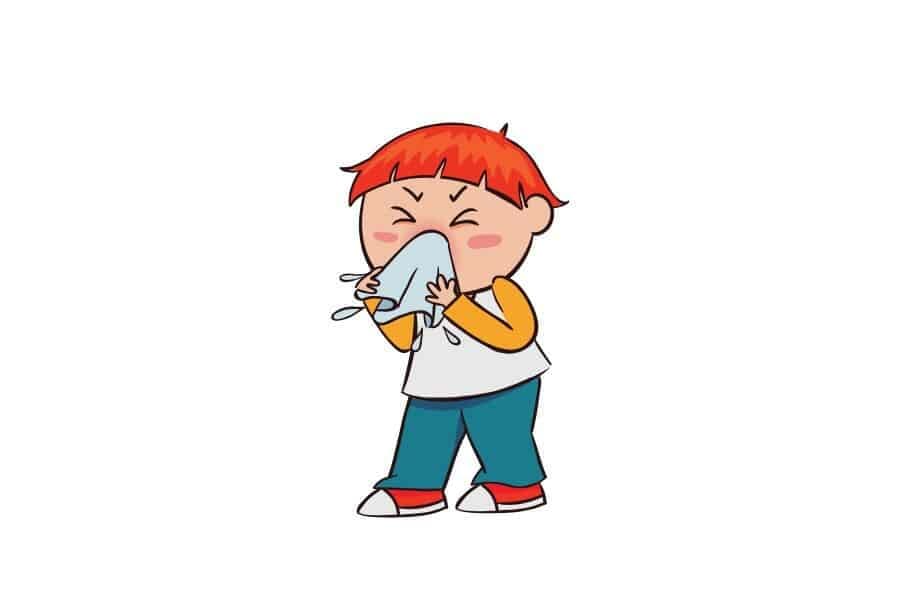
The virus has varied symptoms, but as already mentioned, they are very similar to the flu. Symptoms can include: cough, fever (above 37ºC), body aches, sore throat, a runny nose and difficulty breathing (in severe cases).
HOW DO YOU KNOW IF IT’S JUST THE FLU OR COVID-19 VIRUS?
If you think you or your child has contracted Corona Virus, rather than go to the GP, hospital or pharmacy, you should contact the dedicated 111 NHS online coronavirus service. You will be told the right action to take.
how Contagious is covid-19 & What are the forms of transmission?
Investigations into forms of contagion are still in progress. However, it is certain that COVID-19 is contagious. The virus can be transmitted by air, physical contact and unhygienic surfaces.
- By air: saliva, phlegm and droplets from sneezing, coughing and speech
- By contact: kissing, handshakes and hugging
- Unhygienic surfaces: mobile phones, door handles, handrails, buttons, keyboards, public transport surfaces, public toilets
How to protect your children from the virus
Respecting the hygiene guidelines suggested by experts is very important:
- Prevention starts with hand washing. Encourage your children to wash their hands several times a day, especially if you have been out and about. Bring sanitiser out with you.
- Be a role model! Make sure your children see you washing your hands regularly. Rub your hands with soap and wash with warm water for at least 20 seconds (you could use a timer to help!)
- Avoid close contact with people who are unwell
- Avoid touching your face with unwashed hands
- Catch your coughs and sneezes with disposable tissues, and if you do not have a tissue at hand, use your sleeve. Make sure to throw the tissue away after.
Make hygiene playful
A Sticker Chart
Grace used to love stickers – and I am looking forward to introducing them with Rex. Encourage your children to wash their hands by rewarding them with a sticker each time they wash their hands. The cleaner they are, the more stickers earnt!
Songs!
Encourage your children to wash their hands for the recommended time by helping your child make up a song that lasts for 20 seconds.
I have to admit that Happy Birthday does not go down very well in our house. Rex instantly thinks it is his birthday and expects a present or two (!) so we have taken to ‘Twinkle, twinkle little star’ – one that he knows and loves, and works equally well.
Test the Beet
Anyone who blows their nose with a tissue should wash their hands afterwards. But how do we explain the importance of this to little ones?
Try the technique, “Test The Beet” to prove the need to wash your hands after using a tissue.
Ask your child to pick up a pickled beetroot with a tissue. Your child’s hands will also turn red- which shows that liquid (and therefore the virus) easily reaches your hands even when using a
tissue.
knowledge is key to protection
One of the most important things to do is to remain calm and rational. Remember that knowledge is the first step to protecting yourself and others. Immediately sharing sensationalist information with your children generates panic and confusion.
Children have the right to know about what is happening in the world, but parents equally have the responsibility to mitigate unnecessary distress or fear. Talk about what is going on in the world from reliable sources in a friendly, simplified and open manner.
Keep a familiar routine
With exposure to worrying reports, statistics and images, it’s easy to feel like we are surrounded by impending doom or crisis. Children may find it difficult to distinguish between what they hear and see online or on TV, and their own personal reality. Keep your home environment stress-free by scheduling time for fun activities and avoiding over exposure to the news.
Children are calmed by a sense of familiarity, so try to stick to a regular routine and set times.
encourage your children to have the right attitude
Children mirror the attitude of their parents, therefore it’s your responsibility to transfer a calm and understanding attitude to your children. Remind your child that it is not worth being upset, teasing others or engaging in disrespectful behaviour when talking about COVID-19.
In recent weeks, we have seen episodes of prejudice and intolerance. Make sure your children understand that the virus has nothing to do with your nationality, language or religion.
Take the time to make sure your child is not experiencing or contributing to stigma.
please pin this post