What Are The Most Commonly Misdiagnosed Illnesses in Children?
*Remunerated Post*
Some illnesses can prove difficult to diagnose in Children, in this article we’ll take a look at the most common ones.
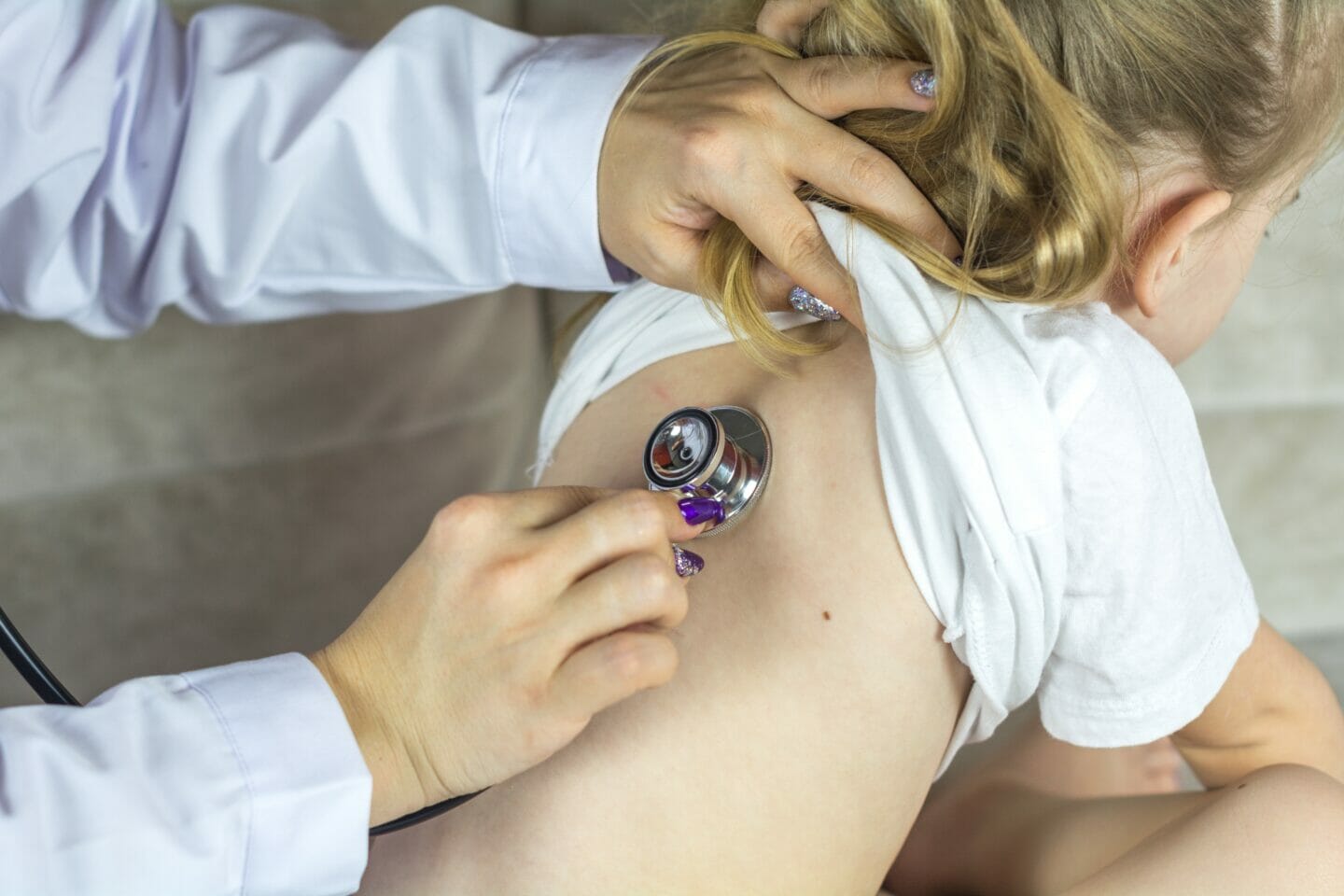
Accurate diagnosis is crucial in ensuring the well-being and proper treatment of children. However, misdiagnosis can occur, leading to potential complications and delays in receiving appropriate care which may lead families in the South West, pursuing medical negligence claims in Bristol and surrounding areas.
Understanding the most commonly misdiagnosed illnesses in children is essential for parents and healthcare professionals alike.
Table of Contents
How Misdiagnosis Occurs in Children
Misdiagnosis in children can occur due to a combination of factors, making it a complex issue to address. Several factors contribute to the occurrence of misdiagnosis, including:
Limited Communication Skills
Young children may have difficulty expressing their symptoms or discomfort accurately. They might lack the vocabulary to articulate their experiences, leading to challenges in identifying the underlying cause of their symptoms. Miscommunication between the child and healthcare provider can result in an incomplete understanding of the child’s condition.
Atypical Symptoms
Children may present with symptoms that are not typically associated with a particular illness or condition. These atypical symptoms can be misleading and may not immediately align with the diagnostic criteria used by healthcare professionals. As a result, the true cause of the symptoms may be overlooked or misinterpreted.
Overlapping Symptoms
Some illnesses exhibit overlapping symptoms, making it challenging to differentiate between them. For example, conditions such as Autism Spectrum Disorder (ASD) and Attention-Deficit/Hyperactivity Disorder (ADHD) can share common symptoms like inattention and impulsivity. This overlap can lead to confusion during the diagnostic process, potentially resulting in misdiagnosis or delayed diagnosis.
Diagnostic Challenges in Pediatrics
Diagnosing illnesses in children can be particularly challenging due to the unique characteristics of paediatric medicine. Children’s bodies and immune systems are still developing, and certain conditions may present differently in children compared to adults. Paediatricians must navigate these complexities to arrive at accurate diagnoses.

Incomplete Information
Misdiagnosis can also occur when healthcare providers do not have access to complete or accurate information. This can happen if crucial details about the child’s medical history, family history, or environmental factors are not fully disclosed or properly documented. Incomplete information can lead to an inaccurate assessment of the child’s condition and subsequent misdiagnosis.
Bias and Stereotypes
Unconscious bias or preconceived notions about certain illnesses or conditions can impact the diagnostic process. These biases can influence healthcare providers’ interpretation of symptoms and their decision-making, potentially leading to misdiagnosis or delayed diagnosis.
Illnesses That are Most Commonly Misdiagnosed
Autism
Autism Spectrum Disorder (ASD) is often misdiagnosed or diagnosed late due to its varied presentation and overlapping symptoms with other developmental disorders. Early identification and intervention are crucial for children with ASD to receive appropriate support and therapy.
Depression and Bipolar Disease
Mental health conditions such as depression and bipolar disorder can be challenging to diagnose in children. The symptoms may be attributed to normal mood swings or other behavioural issues, leading to delays in identifying and addressing these conditions.
ADHD
Attention-Deficit/Hyperactivity Disorder (ADHD) is frequently misdiagnosed, especially in children who present with symptoms of inattention, hyperactivity, and impulsivity. Accurate diagnosis requires a comprehensive evaluation, considering the child’s behaviour in various settings.
Lyme Disease
Lyme disease, caused by tick bites, can present with a wide range of symptoms and is often misdiagnosed as other conditions such as flu or viral infections. Early recognition and appropriate testing are crucial for timely treatment and preventing long-term complications.
Coeliac Disease
Coeliac disease, an autoimmune disorder triggered by gluten consumption, is often misdiagnosed or undiagnosed in children. The symptoms, including gastrointestinal issues, fatigue, and nutrient deficiencies, can be attributed to other conditions, leading to delayed diagnosis and treatment.
Advice for Parents Who are Struggling to Get a Diagnosis
Parents facing challenges in obtaining a diagnosis for their child can take several steps to advocate for their child’s healthcare needs:
Seek Legal Help
In cases where medical negligence or diagnostic errors are suspected, consulting solicitors specialising in medical negligence claims in Bristol can provide guidance on legal options and potential recourse.
Explore Medical Options and Specialists
Seeking second opinions from other healthcare professionals, particularly specialists, can offer fresh perspectives and insights. Collaborating with paediatricians, psychologists, and other relevant specialists can aid in obtaining an accurate diagnosis.
Maintain Detailed Records
Documenting all medical appointments, symptoms, and observations can help healthcare professionals identify patterns and potential connections, facilitating a more accurate diagnosis.
Educate Yourself
Stay informed about your child’s symptoms, potential conditions, and available diagnostic tests. Understanding the diagnostic process empowers parents to actively engage with healthcare providers and ask pertinent questions.

Dealing with a misdiagnosis in a child..
Obtaining an accurate diagnosis for children is crucial for their well-being and proper treatment. By understanding the reasons behind misdiagnosis, being aware of the commonly misdiagnosed illnesses, and taking proactive steps, parents can advocate for their child’s health and ensure appropriate care.
Remember, early intervention and collaboration with healthcare professionals are key to obtaining accurate diagnoses and providing the necessary support for children’s health and development.
The journey to an accurate diagnosis may require persistence, collaboration, and sometimes seeking legal assistance to address potential medical negligence claims. By staying informed and actively engaging in the diagnostic process, parents can help their children receive the care they need and deserve.
Please be advised that this article is for general informational purposes only, and should not be used as a substitute for advice from a trained medical professional. Be sure to consult a medical professional or healthcare provider if you’re seeking medical advice, diagnoses, or treatment. We are not liable for risks or issues associated with using or acting upon the information on this site.