How to Measure Your Home for Furniture and Fittings
*Remunerated Post*
We’ve all made that mistake – bringing home a new piece of furniture, a pair of curtains or other soft furnishings only to realise they don’t fit or you can’t even get them through the door.
These mistakes can be expensive, time-consuming and stressful – especially if you are in the throes of planning long-distance moving to a new home (in that case it might be an idea to get someone you trust to help you).
That’s why I thought it’d be beneficial to include some handy tips on how to measure for new furniture and fittings in your home so moving furniture and installing blinds is a breeze!
So here goes:
Measuring for Blinds
First, you need to consider whether you’re fitting your blinds in the recess of the window or on the outside. For example, recessed blinds often work better with Velux windows while blinds fitted to the outside of the window often look better in living spaces and kitchens.
Equally, if the recess of the window is quite small (less than 6cm) or your windows open inwards, you might want to consider a blind that’s on the outside as this is far less restrictive.
Whether you’re measuring in the recess or out of it, always measure at three points vertically and horizontally. This means measuring in the middle of the window and halfway between the middle and edge of the window. That way, you’ll be able to see if there are any variations that need taking into account.
And if you are installing your blinds on the outside of the window, allow an additional 12cm on the width to accommodate the blind so it fits well and covers the window properly. You might also want to add this to the top of the blind so it doesn’t obscure your window when it’s rolled up.
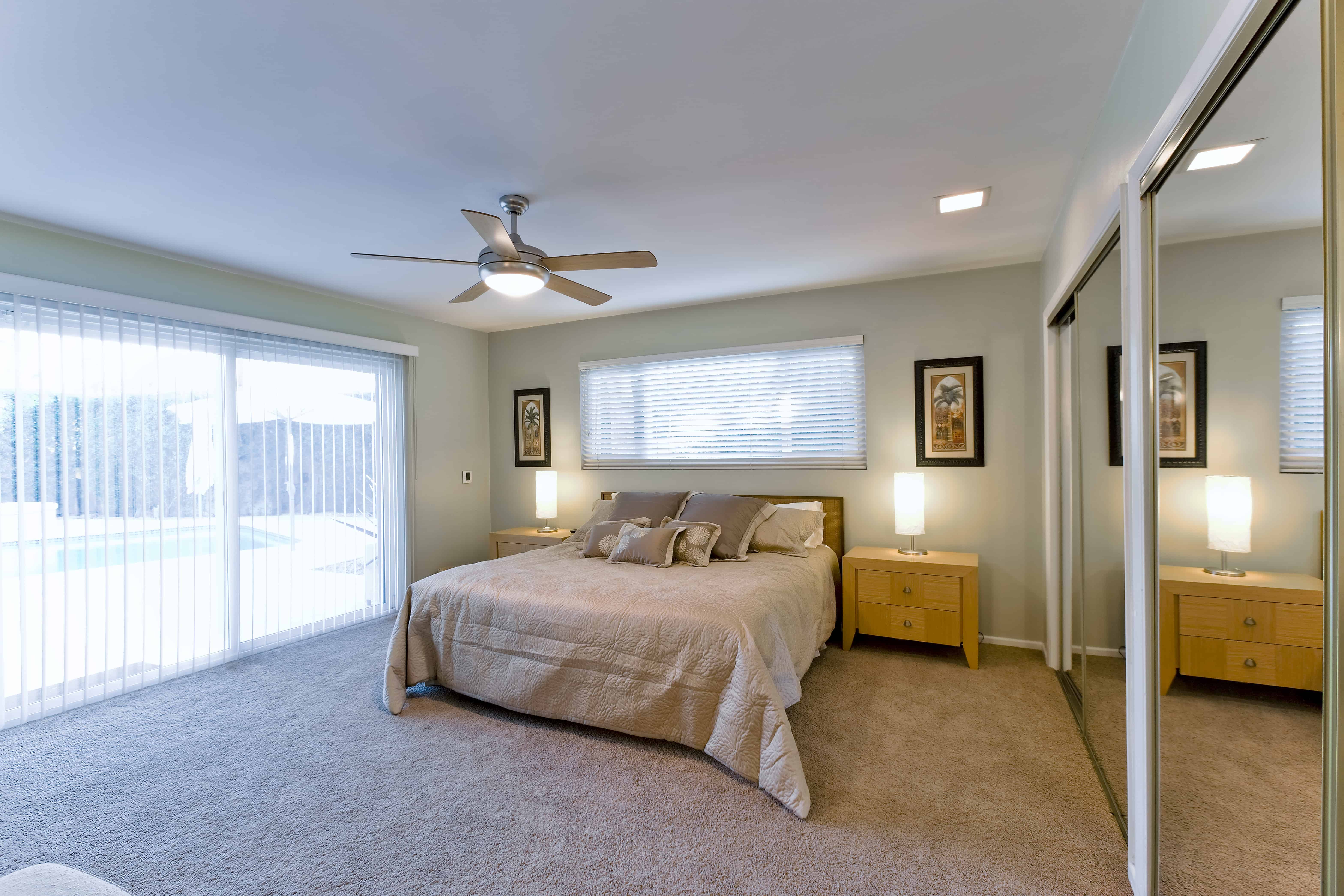
Measuring Up for Furniture
Before you even start shopping for furniture and before you measure up the room the item is going in, you should consider the entryways to this room. If there’s enough room for a large item of furniture but you can’t get it through the door, you’ll need to consider designs that can be built up once they’re in the designated room.
You should measure all of the doorways and hallways you’ll need to walk through with the furniture to get it to where it’s going. Measure the height, width and diagonal width while also making note of any corners you need to go around or staircases you need to go up. Will the furniture fit through here diagonally?
Ideally, you should allow around 10cms extra space for your furniture to account for movability and to ensure you don’t scratch or damage your walls.
Next, measure your room and consider whether you’ll be able to manoeuvre the furniture around the room to get it into place. And if you’re installing tall items, be sure to measure the height of the room too.
Other key things to measure include windows (both the width and the space below it), fireplaces, radiators and other fixed pieces.
Armed with these handy measuring tips there shouldn’t be any disastrous furniture moving escapades in your home ever again!